How It All Works
The Science Behind Our Work
At Made New Foundation, we are committed to grounding our work in research and careful evaluation. Our programs draw on established scientific frameworks and are continually assessed to ensure they are effective, responsible, and improving over time. Through ongoing measurement and transparent reporting, we document outcomes and strive to share accurate and comprehensive evidence of our impact with partners and the communities we serve.
We integrate ongoing research and evaluation into the design and delivery of our programs. We collect data using established social science methods, including surveys, validated behavioral and attitudinal assessments, participant feedback, and observational measures. These tools allow us to examine how participants’ perspectives, skills, and experiences change over the course of our programs and help us refine our curriculum over time.
Our evaluation activities are conducted for program improvement and research purposes. The assessments used are not intended to diagnose mental health conditions or provide clinical evaluation. Results are analyzed at the group level to understand trends and outcomes across participants, and findings are shared through impact reports and research summaries to maintain transparency with partners, funders, and the communities we serve.
Our Reimagining Reality programs target 3 main outcomes:
Emotional Regulation & Resilience
Self-Efficacy & Leadership Confidence
Social Awareness & Communication
What is our approach based on?
Our program curriculum is built on a growing body of research showing that human beings at any age have the ability to retain the capacity to learn, grow, and fundamentally change how they think, feel, and act.
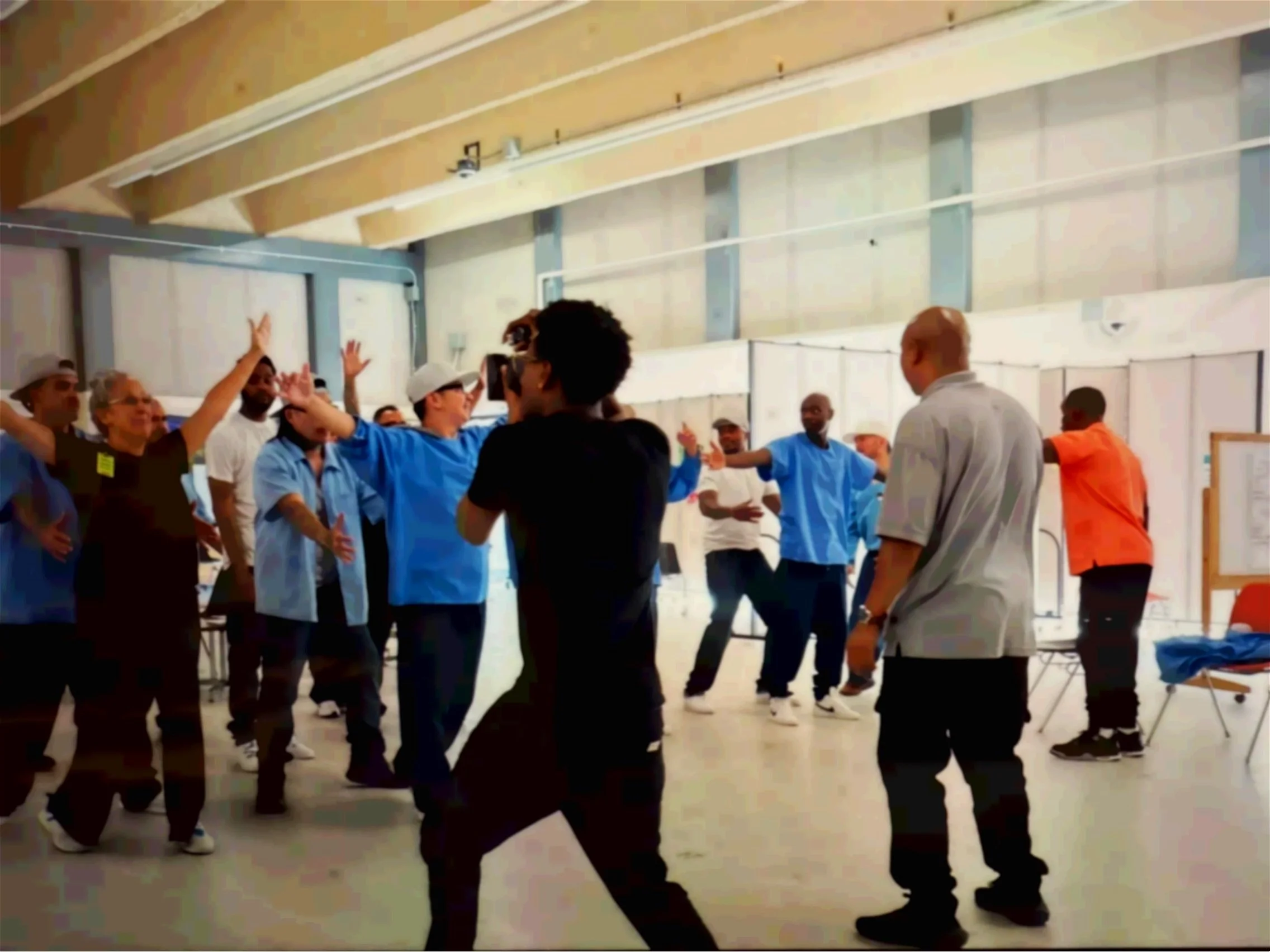
The brain can change at any age.
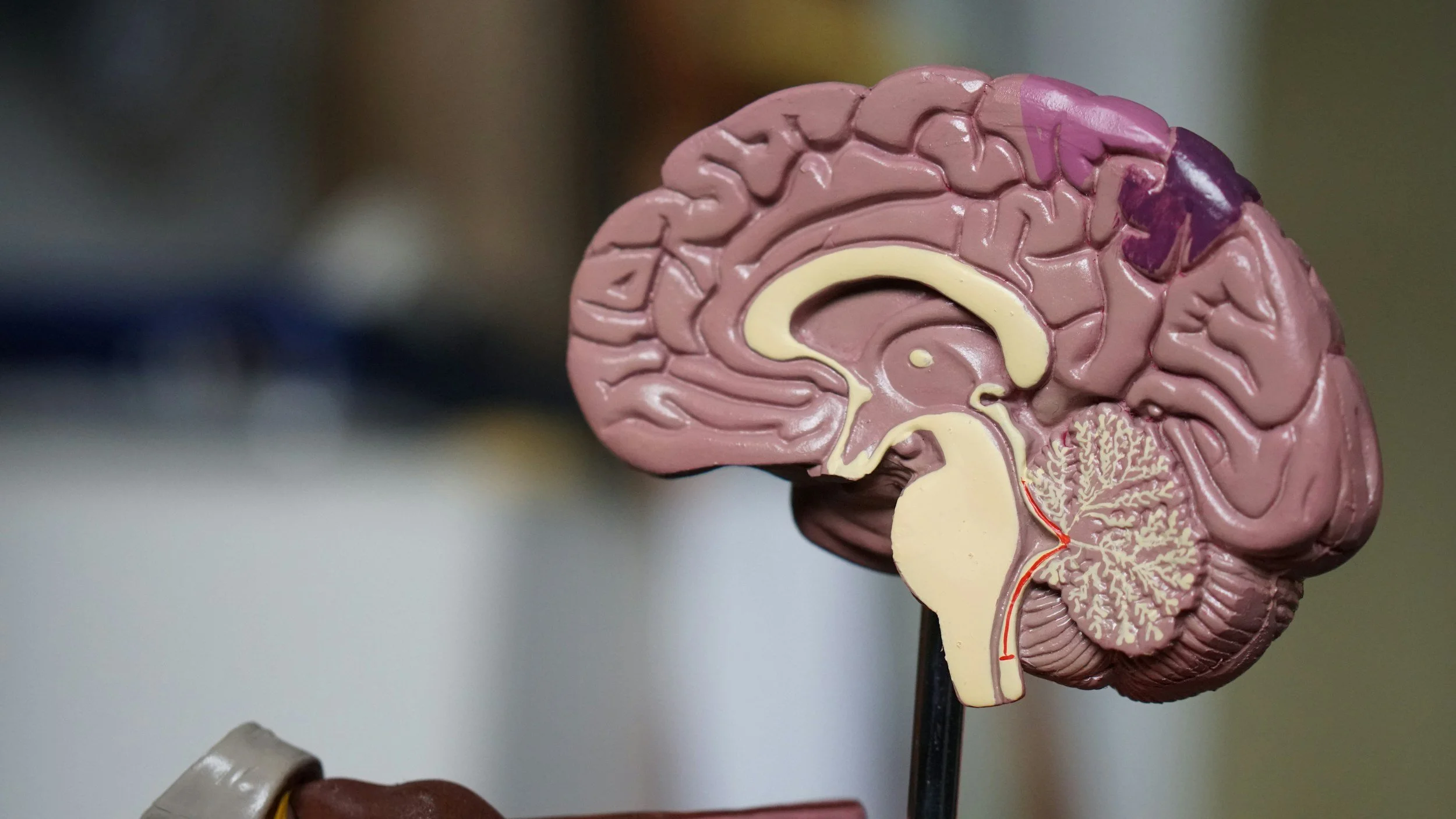
For a long time, science held that the adult brain was fixed; that after a certain age, who you were was who you'd always be. That view has now been overturned. Scientists have confirmed that the brain remains adaptable throughout our lives, reshaping itself in response to new experiences, learning, and relationships. This is called neuroplasticity.
The possibilities of cognitive rehabilitation have been considerably expanded, as Berlucchi (2011) notes, "after the abandonment of a wrong belief in the immutability of the central nervous system and the growing evidence in favour of the existence of a considerable degree of neuroplasticity even in the mature and aged brain." Essentially, rehabilitation practitioners have found that not only can the brain change, and structured intervention is one of the most reliable ways to support that change.
Research into Cognitive Behavioral Therapy makes this especially clear. CBT has been shown to produce "long lasting, reproducible changes in emotion, cognition, behavior, and somatic symptoms across a range of mood and other psychological disorders" — with pre- and post-treatment brain imaging identifying specific changes in the frontal, cingulate, and limbic circuits responsible for emotional processing and regulation (Collerton, 2013). Our curriculum is informed by the core principles of Cognitive Behavioral Therapy; we apply these principles to each exercise, discussion, and activity.
Berlucchi, G. (2011). Brain plasticity and cognitive neurorehabilitation. Neuropsychological Rehabilitation, 21(5), 560–578. Collerton, D. (2013). Psychotherapy and brain plasticity. Frontiers in Psychology, 4:548.
Practice helps rewires the brain.
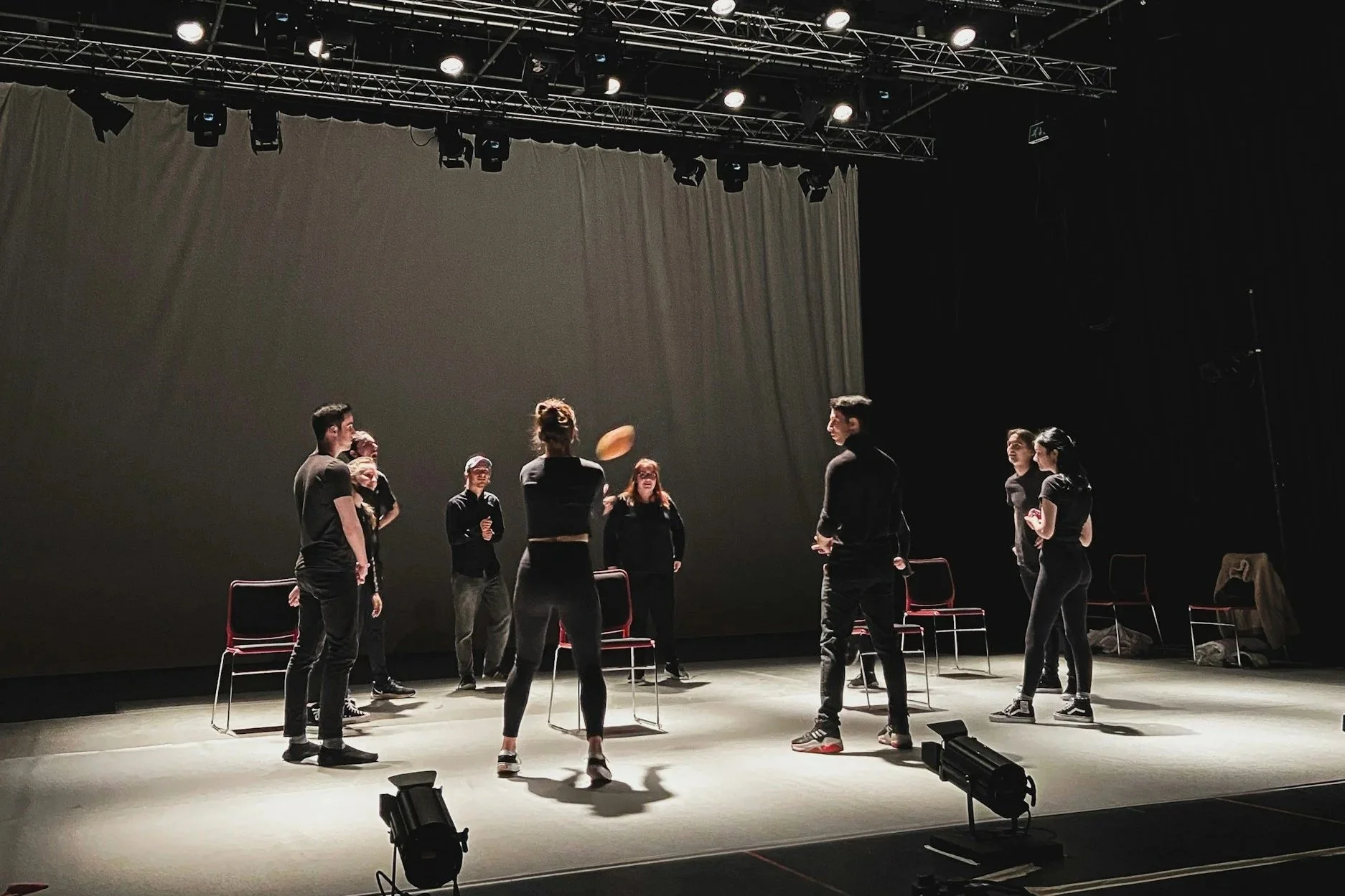
Our programs use structured, repeated practice through performance exercises, role-play, VR simulation, and behavioral rehearsal because research shows that experiential repetition is one of the most effective ways to create lasting change. Every time a participant practices a skill, engages in perspective-taking, or works through a scenario, they are building and reinforcing new ways of thinking and responding.
Neural plasticity is understood to be the basis for both learning in the intact brain and relearning in the damaged brain that occurs through rehabilitation. A review of ten core principles of experience-dependent neural plasticity by Kleim & Jones found that the qualities and constraints of how the brain changes in response to experience are directly relevant to designing effective rehabilitation interventions. As research on brain plasticity advances, the knowledge that results “can be capitalized upon to improve rehabilitation efforts and to optimize functional outcome" (Kleim & Jones, 2008).
Theatre & performance: Embodied learning activates emotional and social systems simultaneously.
VR simulation: Immersive scenarios build real-world skills in a safe environment.
Behavioral rehearsal: Repeated practice changes how the brain encodes responses over time.
Kleim, J.A., & Jones, T.A. (2008). Principles of experience-dependent neural plasticity: implications for rehabilitation after brain damage. Journal of Speech, Language, and Hearing Research, 51, S225–S239.
Socioemotional skills aren’t fixed traits.
Empathy, emotional regulation, conflict resolution, and self-awareness are not qualities people either have or don't. Research consistently shows they can be developed through social-emotional learning, which focuses on emotional intentionality and structured programming.
Research into school-based SEL programs has found significant improvements in participants' social and emotional skills, attitudes, and behavior compared to those who did not participate — supporting the value of evidence-based SEL programming as a meaningful contributor to healthy development across age groups (Durlak et al., 2011).
With theatre specifically, a meta-analysis of 21 studies totaling 4,064 participants found that active theatre participation significantly improved empathic abilities, social communication, tolerance, and social interactions. The study found that theatre interventions have a positive and measurable impact on social competencies (Lewandowska & Węziak-Białowolska, 2023).

Durlak, J.A., Weissberg, R.P., Dymnicki, A.B., Taylor, R.D., & Schellinger, K.B. (2011). The impact of enhancing students' social and emotional learning: a meta-analysis of school-based universal interventions. Child Development, 82(1), 405–432. Lewandowska, K., & Węziak-Białowolska, D. (2023). The impact of theatre on social competencies: a meta-analytic evaluation. Arts & Health, 15(3), 306–337.
How it comes together.
Our work is designed around an evidence chain with each layer reinforcing the next.
The brain remains adaptable.Neuroplasticity research confirms that meaningful change in thinking and behavior is possible at any age.
Experiential practice drives change. Repeated, structured engagement through performance, simulation, and behavioral rehearsal builds new neural patterns.
Social-emotional skills improve outcomes. SEL and theatre-based programming strengthens empathy, self-regulation, and prosocial behavior. All of which are key predictors of long-term wellbeing.
Focus on rehabilitation and lasting change. Together, these mechanisms support durable behavioral change, stronger community ties, and improved long-term outcomes.